Enrollment Guide · K–12 Philippines

DepEd Kinder & Grade 1 Enrollment: Early Registration, LIS & Requirements

Public elementary schools in the Philippines usually open early registration for the next school year while classes are still ongoing — often in the first months of the year, ahead of the school-year opening. Here's exactly who qualifies for Kindergarten and Grade 1, which documents to prepare, how your child gets a Learner Reference Number (LRN) in DepEd's LIS, and what to do if you're late or missing a requirement.

  • Review date: Data being compiled
  • Reading time: ~12 min
  • Applies to: Kindergarten & Grade 1, public and private elementary schools in the Philippines
  • Written by the Skoolopedia Philippines editorial team

The short version

  1. Kindergarten: for children who turn 5 years old on or before the cut-off date set by DepEd for that school year (historically October 31 — confirm the current DepEd Order). Age cut-offs →
  2. Grade 1: for children who completed Kindergarten, or who turn 6 years old on or before the same cut-off date. Age cut-offs →
  3. Early registration happens at the public school that serves your barangay/catchment area; exact dates come from the current DepEd Order and your Schools Division Office (SDO) — Exact SY dates: Data being compiled. Early registration timeline →
  4. Core documents: PSA birth certificate, immunization/health record, proof of age, and your child's ECD checklist (or the school's alternative assessment) for Kindergarten; report card + LRN for Grade 1 transferees. Documents checklist →
  5. Missing a document? Ask the school about an affidavit of undertaking / late submission — a lacking paper should not automatically stop enrollment. Confirm the school's process. Late enrollment & transfers →

Ask the AI School Recommender (English o Filipino)

Free for parents · Independent guide · Not a government portal

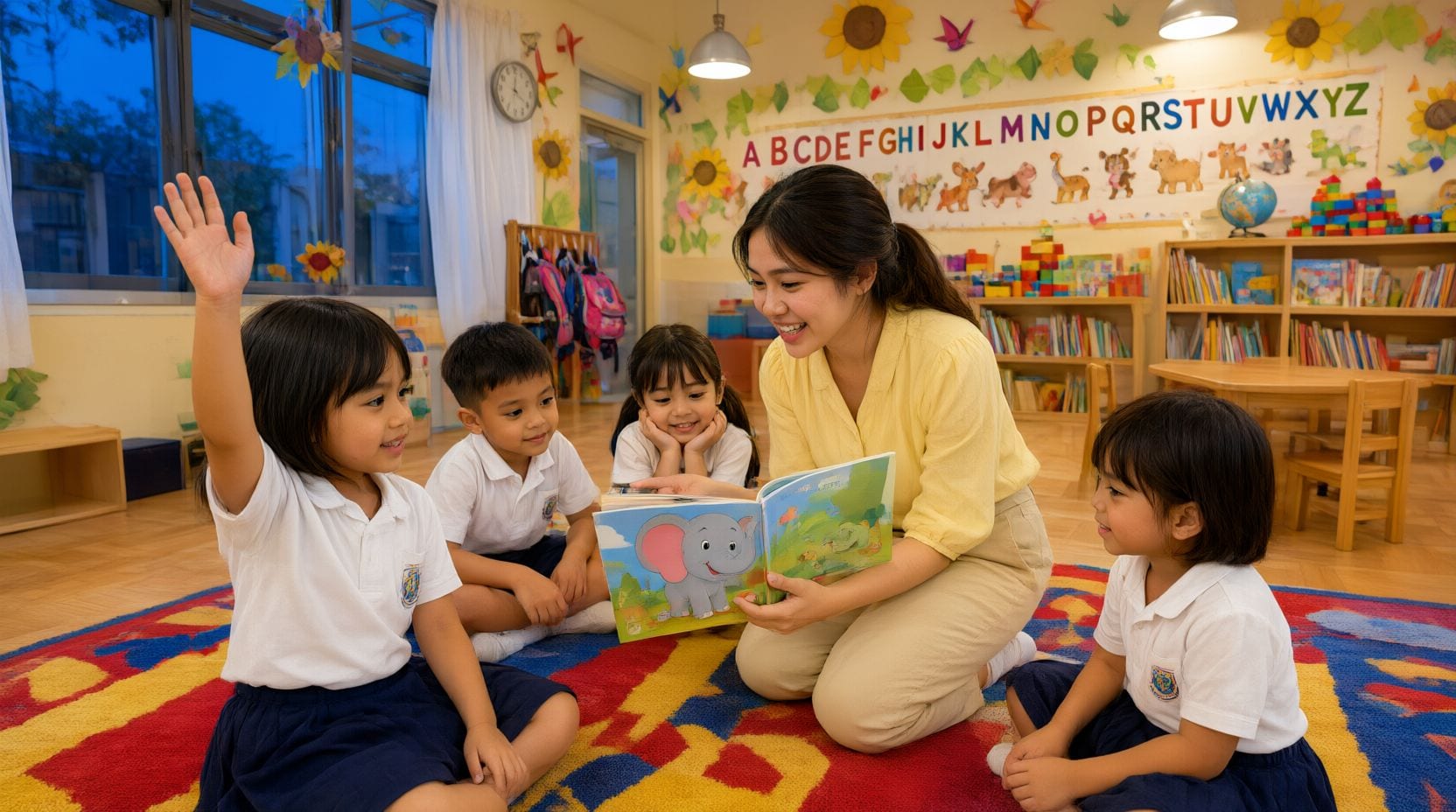
Filipino kindergarten pupils on a classroom rug with their teacher during story time

Who qualifies: Kindergarten vs Grade 1 age cut-offs

Two things decide your child's entry level: age and whether they finished Kindergarten. DepEd sets the age cut-off for each school year through an issuance, so treat the dates below as the historical pattern — then confirm the current one.

Kindergarten

Your child must be 5 years old on or before the cut-off date for the school year.

DepEd announces the cut-off for every school year. Historically, October 31 has been used. Some early-registration assessments have accommodated children who turn 5 shortly after the cut-off — only if the current policy allows it. Ask the school before you plan around an allowance.

Cut-off dates and any allowances can change per school year. Always confirm the current DepEd Order and your SDO before relying on a date.

Current SY cut-off confirmation: Data being compiled

Grade 1

Your child has completed Kindergarten, or turns 6 years old on or before the cut-off date.

Kindergarten is part of basic education and is required before Grade 1. If your child did not attend Kindergarten, the school may assess them for placement — ask the school or your Schools Division Office which rule applies to your child's case.

Check your child's likely entry level

We don't save this. The check runs in your browser only.

Kindergarten is not daycare or nursery. If your child is younger than the Kindergarten age, look at playgroup, nursery and daycare options instead: Preschools & Kindergarten in the Philippines and Daycare & after-school centres.

The early registration timeline

It's called "early" because DepEd registers incoming Kindergarten and Grade 1 pupils months before the school year opens. The headcount lets schools plan classrooms, teachers, seats and learning materials for the coming year.

The practical consequence: if you wait until the first day of class, you may be registering late. Slots and sections may already be arranged. Early registration is the calm window — use it.

  1. Stage 1 — DepEd issues the enrollment guidance

    DepEd releases the enrollment and early-registration guidance for the coming school year. Your Schools Division Office (SDO) then shares division-level instructions.

    Timing: set by the current DepEd Order — Data being compiled

  2. Stage 2 — Early registration opens at public elementary schools

    Schools accept incoming Kinder and Grade 1 registrants while the current school year is still ongoing — often in the first months of the calendar year. You submit the school's intake form and whatever documents you already have. The school records your child in the LIS preparatory list.

    Timing: announced by DepEd and your SDO — Data being compiled

  3. Stage 3 — The school validates documents and catchment priority

    The school checks residency (barangay), age, and any priority factors such as siblings already enrolled. It tells you which requirements are still lacking and how to submit them.

    Timing: during and right after the registration window — confirm with the school

  4. Stage 4 — Kindergarten readiness check / ECD review

    Where applicable, the school reviews your child's Early Childhood Development (ECD) checklist or runs its own intake assessment. This is not an entrance exam and not a ranking test — it helps the school understand your child's development.

    Timing: scheduled by the school — confirm with the school

  5. Stage 5 — The school year opens and enrollment is finalised

    Class advisers are assigned, sections are confirmed, and attendance and LIS records are updated. Keep your copies of everything you submitted.

    Timing: at the opening of the school year — set by DepEd

What early registration is NOT

  • Not a fee-paying reservation. You are not buying a slot.
  • Not an entrance exam. No pass-or-fail ranking for incoming Kindergarten.
  • Not a guarantee of a specific section or teacher. Sections are assigned by the school.
Filipino parent and child handing enrollment documents to a teacher at a public-school registration table
A parent submits early-registration documents at a public elementary school while her child waits beside her.

Documents checklist for Kinder & Grade 1

Most schools will ask for the papers below. Requirements vary slightly per school and per division, so treat this as your preparation list — then confirm the school's own list. Tick what you already have; the rest becomes your to-do list.

0 of 16 ready

Saved on this device only. Your ticks stay in this browser and are not sent to us.

A. Incoming Kindergarten

0 of 7 ready

B. Incoming Grade 1 (from Kindergarten, same or a different school)

0 of 5 ready

C. Transferees and moving schools

0 of 4 ready

A missing paper should not automatically stop enrollment. Ask the school about an affidavit of undertaking or a late-submission arrangement, and confirm the date they will expect the document.

Step-by-step: enrolling in a public elementary school

This is the usual flow for incoming Kindergarten and Grade 1 in public schools. Your school may add or reorder a step — follow its instructions first.

  1. Confirm your child's entry level.

    Check the age rule and whether Kindergarten is required for your child. If the age is borderline, ask the school before you gather documents.

    Ask the school: "Which cut-off date applies for this school year?"

  2. Identify the public school that serves your barangay.

    Public elementary schools commonly prioritise learners inside their catchment area. If you're unsure which school covers your address, ask the school or your Schools Division Office. You can start with the Skoolopedia directory filtered to Kinder & Elementary.

    Ask the school: "Is our barangay within your catchment area?"

  3. Check the announced registration dates.

    Look at the school's official website or Facebook page and your SDO's announcements for the current early-registration window. Skoolopedia does not publish unofficial dates.

    Ask the school: "When does early registration open and close for incoming Kinder and Grade 1?"

  4. Prepare your documents.

    Work through the documents checklist. Photocopy what you can, and keep the originals in one folder. Note which papers are still pending.

    Ask the school: "Which of these can we submit later?"

  5. Go to the school during registration hours and fill out the intake form.

    Bring your child if the school asks you to. Fill out the school's enrollment/intake form completely — name and birthdate exactly as they appear on the PSA birth certificate.

    Ask the school: "Do you need my child present on registration day?"

  6. Submit what you have, and arrange the rest.

    For any lacking requirement, ask about an affidavit of undertaking or late submission, and write down the agreed date. Get a receiving copy or acknowledgment of what you submitted.

    Ask the school: "Can we sign an undertaking for the missing document, and until when?"

  7. Complete the Kindergarten readiness check or ECD review, if asked.

    For incoming Kindergarten, the school may review the ECD checklist or run its own intake assessment. It is not an entrance exam and not a ranking.

    Ask the school: "What will the assessment cover, and how do we prepare our child?"

  8. Confirm your child's LRN.

    First-time enrollees are assigned an LRN through the school's LIS encoding. Transferees keep their existing LRN — give it to the school so no duplicate record is created. LRN assignment is not something you pay for.

    Ask the school: "Has our LRN been recorded correctly, and can we get a copy of the record?"

  9. Confirm the section, schedule and remaining requirements before classes open.

    Ask when sections and advisers are released, what orientation to attend, and what else is expected of you. Keep your acknowledgment slips.

    Ask the school: "What should we settle before the first day of class?"

LIS, LRN and BEIS, in plain language

You'll hear these three abbreviations at the school office. Only one of them is about your child's own record — but knowing all three helps you ask the right question.

LIS — Learner Information System

DepEd's system for individual learner records. Schools use it to register learners, record enrollment and keep school-year details. Your child's Kindergarten and Grade 1 enrollment is recorded here by the school — you do not enroll through LIS yourself.

LRN — Learner Reference Number

The permanent number assigned to your child in DepEd's LIS. It stays with them across schools and grade levels for all of K–12, and it's what links their records when they transfer. Ask for it once, write it down, and keep it safe.

BEIS — Basic Education Information System

DepEd's system for school-level data: school profiles, the school masterlist and DepEd School IDs, and the levels a school offers. Skoolopedia's listings draw on the official DepEd school masterlist. BEIS is not where a child is enrolled — it's how schools themselves are recorded.

Why this matters to you

  • One child, one LRN. Enrolling in two schools at once, or re-registering a transferee as new, can create duplicate records that take time to fix.
  • Names and birthdates must match the PSA birth certificate. Spelling differences are the most common cause of record problems later.
  • The LRN is free. No parent should be charged to obtain or "process" an LRN.

If something is wrong with the record

  • No LRN yet for a first-time Kinder enrollee: ask the school's LIS coordinator or school head when the encoding will be completed.
  • Transferee's LRN missing: ask the previous school to confirm it from its LIS records.
  • Duplicate LRN or two records: report it to the receiving school so the records can be reconciled — don't let a second record be created.
  • Name or birthdate mismatch: bring the PSA birth certificate and ask for a correction in LIS.
  • Still unresolved: visit your Schools Division Office (SDO) in person with your documents. Skoolopedia cannot access or edit DepEd records.

Skoolopedia is an independent guide. We are not a government portal, and we cannot register your child, issue an LRN or change a DepEd record.

Private schools & ESC: what's different

Private elementary schools run their own admissions. The DepEd age rules and the LRN still apply to your child's basic-education records, but the calendar, requirements and costs are the school's own.

How private admission differs

  • Their own calendar. Private schools may open applications earlier or later than public early registration. Ask the school directly for its dates.
  • Their own requirements. Expect the same core papers — PSA birth certificate, health record, report card and LRN for transferees — plus the school's own forms, and possibly an interview or readiness assessment.
  • Their own fees. Tuition and other charges are set by the school. Any amount you see should be treated as indicative — confirm with the school.
  • Recognition still matters. A private school offering Kindergarten and Grade 1 should hold the appropriate DepEd recognition or permit. Read how to check if a school is DepEd-recognized.

ESC — Education Service Contracting

ESC is a government subsidy administered through the Private Education Assistance Committee (PEAC) that helps eligible learners study in participating private schools. It is separate from the SHS Voucher, which applies to Senior High School.

What to ask the school:

  • "Do you participate in ESC for the grade level we're applying for?"
  • "Is Kindergarten covered, or does participation start at Grade 1?"
  • "What are the application steps and deadlines, and which documents do you need from us?"
  • "What costs, if any, remain for the family?"

ESC coverage for Kindergarten: Data being compiled ESC grant amounts: Data being compiled

PEAC official website — confirm current terms with PEAC and the school. Skoolopedia does not administer ESC and cannot approve applications.

Switching between private and public

Moving private → public: bring the report card, LRN and transfer credentials, and ask the public school about catchment priority and its registration window. Moving public → private: ask the private school what it needs from the previous school and whether ESC participation applies to your child's grade level. Either way, the LRN travels with your child — see LIS & LRN.

Late enrollment, missing papers & transfers

Late does not mean locked out. Public schools generally continue to accept learners after the early-registration window — but sections may already be arranged, so go as soon as you can and ask the school what its process is.

Scenario 1 — You missed early registration

Go to the public school that serves your barangay and ask about late or walk-in enrollment. Bring whatever documents you already have. If the school is full or unsure, ask it to refer you to another school or to your Schools Division Office.

Ask: "Do you still accept incoming Kinder or Grade 1 registrants, and what's the process?"

Late-enrollment cut-off dates: Data being compiled — set per school year by DepEd and your SDO

Scenario 2 — A document is missing

Ask about an affidavit of undertaking or a late-submission arrangement: you commit in writing to submit the missing paper by an agreed date. A lacking document should not automatically stop enrollment, but the school's process governs — confirm it, and get the agreed date in writing.

Ask: "Which documents can follow later, and until when?"

Common cases: PSA birth certificate still in process, ECD checklist not yet accomplished, transfer credentials not yet released, barangay certificate not yet issued.

Scenario 3 — You're moving schools (mid-year or between years)

Request transfer credentials and the certificate of good moral from the previous school, confirm the LRN, and tell both schools about the move. If you're crossing divisions, ask both Schools Division Offices what they require. Keep copies of everything.

Ask: "Will you accept an advance copy of our transfer credentials while the official release is in process?"

If a school cannot resolve your case, visit your Schools Division Office in person with your documents. Check the SDO's official website or Facebook page for its announcements and office details.

SPED & inclusive placement options

Philippine basic-education policy supports placing learners with disabilities in the setting that fits their needs. What's available depends on your division and the schools near you — so start by asking, not by assuming a slot.

Options to ask about

  • SPED class or SPED centre. Some public schools offer special education classes for specific needs. Availability varies per division.
  • Inclusive education in a regular class. Your child attends a regular Kindergarten or Grade 1 class, with support arrangements agreed with the school.
  • Support services and accommodations. Ask what the school can provide — adapted materials, seating and pacing adjustments, or coordination with specialists.

Schools offering SPED / inclusive support near you: Data being compiled

What to bring and ask

  • Bring any existing medical, developmental or psychological assessment your child already has. Do not commission new tests just for this page's advice — ask the school what it actually needs.
  • Ask whether a PWD ID or a specific assessment is requested for support services, and where families in your city or municipality obtain it.
  • Ask: "Which schools in this division offer SPED classes or inclusive support for a child of my child's age and needs?"
  • Ask: "What support can the class adviser and school provide, and how do we coordinate during the year?"
  • Ask: "How is my child's placement reviewed, and can it change if their needs change?"

Where to go: Your Schools Division Office can tell you which schools in the division serve which needs. Visit in person with your child's records, and check the SDO's official website or Facebook page for announcements.

Placement conversations are about fit and support, not about your child being turned away. Ask early — before the registration window closes — so there's time to arrange what's needed.

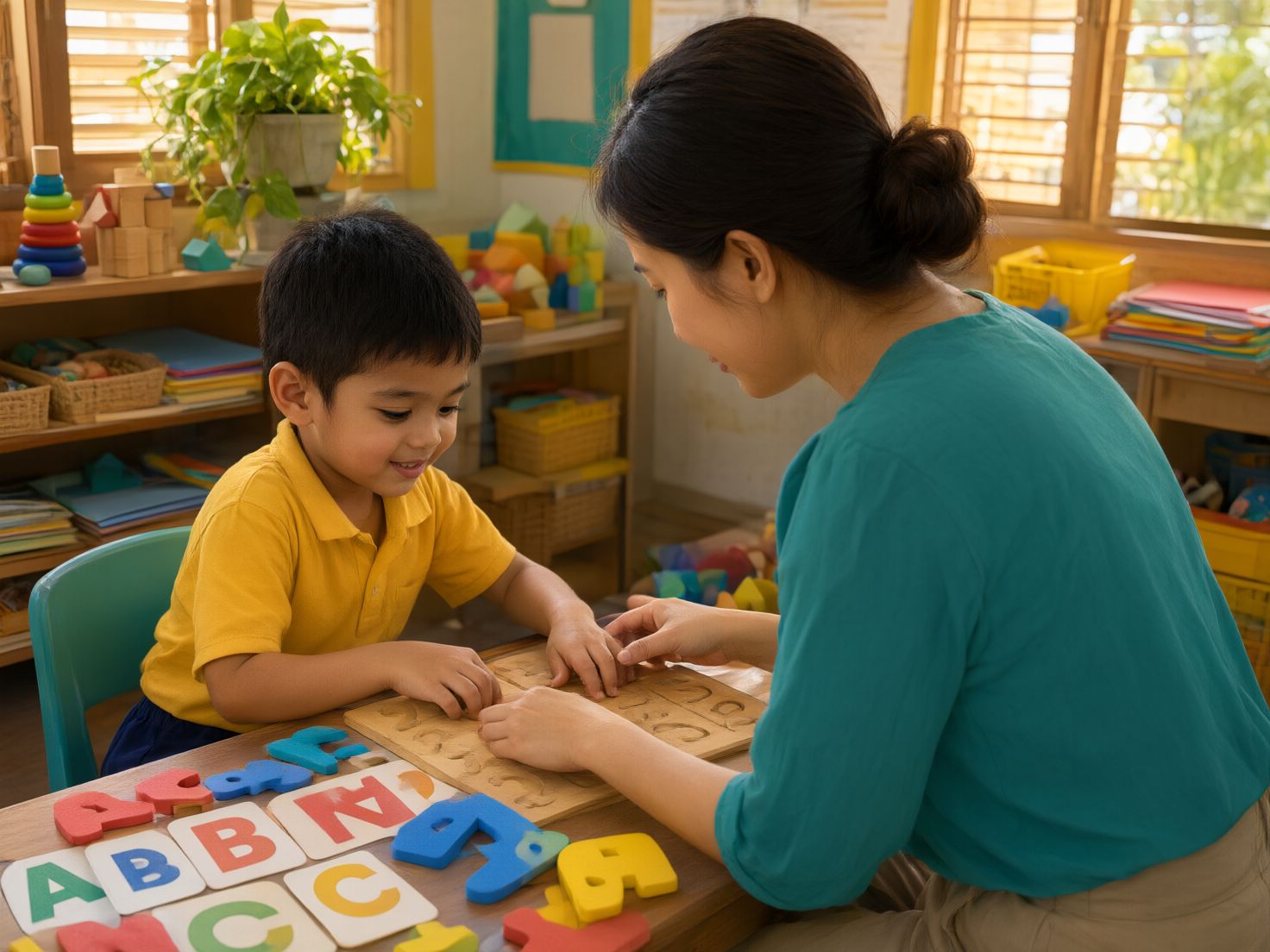
Filipino teacher working one-on-one with a young learner using large-print and tactile learning materials
A teacher supports a young learner with large-print and tactile materials in an inclusive classroom.

What it costs in ₱ (and what we won't guess)

Public elementary education in the Philippines is tuition-free under Philippine law and DepEd policy. That does not mean the school year is costless — uniform, supplies and other school-specific expenses are real, and they vary too much per school for us to publish responsibly.

  • Tuition, public Kindergarten & Grade 1: tuition-free in public schools per law and DepEd policy.
  • Voluntary contributions, public schools: contributions are voluntary and differ per school. Amounts: Data being compiled
  • Uniform, shoes, bag and school supplies: varies per school and per family's choices. Amounts: Data being compiled
  • PTA and other school-specific charges: ask the school to explain each item and whether it is voluntary. Amounts: Data being compiled
  • Private school tuition and fees (Kinder & Grade 1): set by the school. Any figure you see elsewhere is indicative — confirm with the school. Amounts: Data being compiled
  • ESC subsidy for participating private schools: administered through PEAC; coverage and amounts depend on current terms. Amounts: Data being compiled

Early registration is not a paid reservation. If a payment is being asked of you as a condition of registering in a public school, ask the school to explain it in writing, and raise it with your Schools Division Office.

We publish no tuition estimates, fee tables or "average costs" on this page. Ask the school for its current schedule of charges — that is the only figure worth planning around. All amounts on this page, when shown, are in ₱ / PHP.

Common mistakes families make (and the fix)

  1. Waiting for the first day of class. Early registration happens months before the school year opens. Fix: check the school's and SDO's announcements now, and register during the announced window.

  2. Assuming nursery or daycare counts as Kindergarten. Kindergarten is the required year before Grade 1. Fix: check the preschool guide for younger children, and confirm your child's entry level with the school.

  3. Requesting the PSA birth certificate too late. Processing takes time. Fix: request it early, and ask the school about an affidavit of undertaking in the meantime.

  4. Arriving without the LRN when transferring. It creates duplicate-record risk. Fix: get the LRN from the previous school before you register.

  5. Letting the name or birthdate differ from the PSA record. Mismatches follow your child through K–12. Fix: copy the PSA birth certificate exactly onto every form, and ask for a LIS correction if a record is already wrong.

  6. Enrolling in two schools "just in case". This can create duplicate LIS records. Fix: ask the school about your chances and its catchment priority instead, and settle on one school.

  7. Assuming a private Kindergarten is automatically covered by ESC. Coverage depends on current terms and the school's participation. Fix: ask the school and confirm with PEAC.

  8. Walking away because one paper is missing. A lacking document should not automatically stop enrollment. Fix: ask about late submission or an affidavit of undertaking, and get the agreed date.

Find Kinder & Elementary schools near you

Three ways to move from "I understand the process" to "I know which school to visit."

Search the directory

Filter by region → province → city/municipality → barangay, then by level. Start with Kindergarten and Elementary, and check whether a school participates in ESC or the SHS Voucher if that matters to your family.

Find Kinder & Elementary schools

Take the School Finder quiz

Not sure where to start? Answer a few questions about your child, your location and what you want from a school, and get a shortlist to visit.

Take the 2-minute School Finder quiz

Ask the AI School Recommender

Describe your situation in your own words — English o Filipino — including a late registration, a missing document or a move between private and public. Get suggestions on what to ask schools next.

Ask the AI School Recommender →

What a Skoolopedia listing shows

Listings combine the official DepEd school masterlist (DepEd School ID and levels offered), public Google Maps business listings (website and map pin) and public program lists such as ESC and SHS Voucher participation. Where a Google rating is available, it is always shown with its source and as-of date — for example ★ 4.6 · Google Maps · 128 reviews · as of Nov 2026. If a record has no rating data, no rating is shown at all. School owners can claim and correct their listing.

Skoolopedia is a free, independent guide built by Hashmeta — not a government portal, and not a DepEd partner. No school pays to appear higher in results. Enrollment decisions, dates and requirements always rest with the school and DepEd.

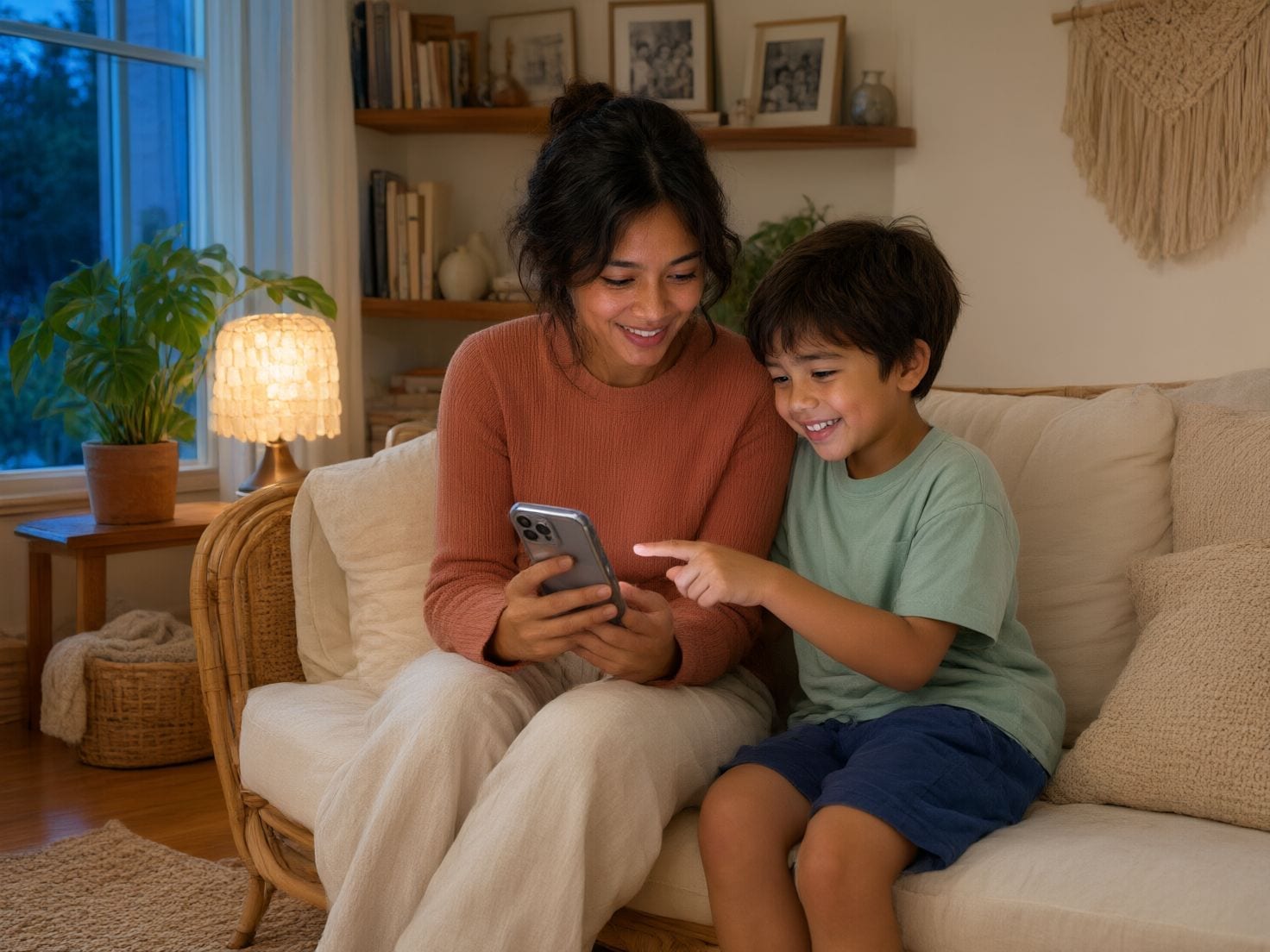
A Filipino parent and child looking at a shortlist of schools on a phone.

Frequently asked questions

When does DepEd early registration open for Kindergarten and Grade 1?

Dates are set per school year by DepEd and announced by your Schools Division Office. Public schools usually register incoming Kinder and Grade 1 pupils months before the school year opens, often in the first months of the calendar year. Exact SY dates: Data being compiled — check the school's official website or Facebook page and your SDO's announcements.

My child turns 5 in November. Can they enter Kindergarten this year?

It depends on the cut-off and any allowance in the current DepEd issuance. Historically the cut-off has been October 31, and some assessments have accommodated children turning 5 shortly after it — only when policy allows. Ask the school or your SDO before planning around it.

Is Kindergarten required before Grade 1?

Yes. Kindergarten is part of basic education and is required before Grade 1. Children who did not attend Kindergarten may be assessed for placement — ask the school or your Schools Division Office which rule applies.

We don't have the PSA birth certificate yet. Can we still register?

Ask the school. Many will discuss alternatives such as a local civil registrar copy, another accepted proof of age, or an affidavit of undertaking with later submission. Request the PSA copy early, and confirm the school's process and the date it expects the document.

Do we have to enroll in the school in our barangay?

Public elementary schools commonly prioritise learners within their catchment area, and a barangay certificate of residency is often requested. Requirements vary per school. If you're unsure which school serves your address, ask the school or your SDO.

Is there an entrance exam for Kindergarten?

No pass-or-fail ranking exam. Schools may review your child's ECD checklist or run their own readiness assessment to understand their development. Ask what it covers.

How much does public Kindergarten or Grade 1 cost?

Tuition is free in public elementary schools per Philippine law and DepEd policy. Contributions are voluntary, and uniform, supplies and other school-specific costs vary. Amounts: Data being compiled — ask the school for its current schedule of charges, in ₱.

Does ESC cover Kindergarten in a private school?

ESC is a subsidy administered through PEAC for participating private schools, and coverage depends on current terms and the grade level. ESC coverage for Kindergarten: Data being compiled — ask the school and confirm with PEAC.

Where do I get my child's LRN?

From the school, through DepEd's Learner Information System. Transferees should ask the previous school; first-time Kindergarten enrollees are assigned an LRN by the enrolling school. It is free — no one should charge you for it.

We missed early registration. Is it too late?

Usually not. Go to the public school serving your barangay and ask about late or walk-in enrollment, bringing whatever documents you have. Sections may already be arranged, so go as soon as you can. If the school cannot accommodate you, ask for a referral or visit your SDO.

Can a grandparent, relative or guardian enroll the child?

Often yes. Schools typically ask for the enrolling adult's valid ID and contact details, plus proof of relationship or an authorization letter from the parent — especially for OFW families. Ask the school for its exact list before you travel.

My child has a disability or a developmental delay. What are our options?

Ask about SPED classes, inclusive education in a regular class with support, and the accommodations the school can provide. Your Schools Division Office can tell you which schools in the division serve which needs. Bring any existing assessment your child already has.

Is Skoolopedia a government portal or a DepEd partner?

No. Skoolopedia Philippines is a free, independent parent guide and school directory built by Hashmeta. We cannot register your child, issue an LRN, approve ESC or change a DepEd record. Enrollment is done at the school.

Get a heads-up when enrollment guidance changes

We'll email you when DepEd issues new enrollment guidance and when we update this guide — plus practical checklists for Filipino parents of Kinder and Grade 1 children. Free, and you can unsubscribe anytime.

We'll only use this for parent updates.

Free for parents. No spam, no selling your email. Unsubscribe in one click.

Sources & how this guide is kept honest

Enrollment rules, dates and subsidies come from official issuances — not from directories, blogs or group chats. Use these official sources to confirm anything that affects your child's enrollment.

  • Department of Education (DepEd) — enrollment and early-registration guidance, Kindergarten and Grade 1 age policies, and the current school-year calendar. deped.gov.ph
  • Your Schools Division Office (SDO) — division-level announcements, catchment questions, late enrollment, transfers, and SPED / inclusive placement options. Check your SDO's official website or Facebook page, or visit in person.
  • Private Education Assistance Committee (PEAC) — ESC and SHS Voucher terms, participating schools and application steps. peac.org.ph
  • Philippine Statistics Authority (PSA) — birth certificates and other civil registry documents used as proof of age and identity. psa.gov.ph

What we don't publish on this page

  • No unofficial registration dates or invented school-year calendars.
  • No fabricated DepEd Order or memorandum numbers.
  • No tuition estimates, fee tables, ESC grant amounts or "average costs".
  • No school or school-head phone numbers or email addresses — use the school's official website link from its listing, or visit the school or your SDO in person.
  • No invented statistics, school counts, rankings, reviews, testimonials, awards or partner logos.
  • No compliance or certification claims, and no claim of being an official DepEd portal or partner.